The Modern Data Stack in 2026: A Complete Guide for Data Leaders
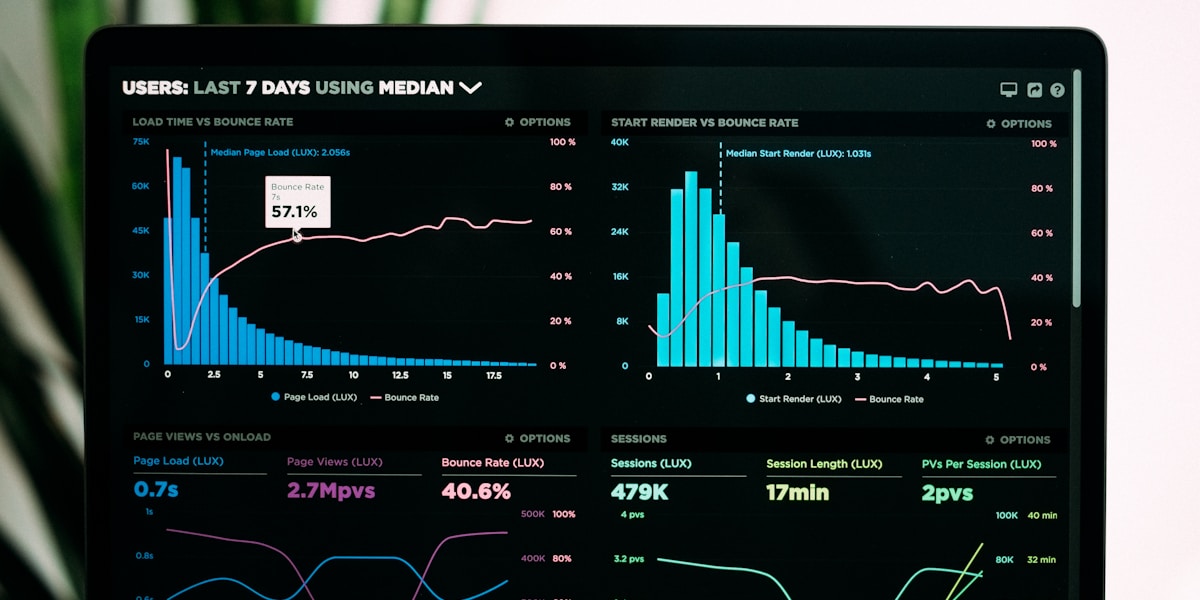
An in-depth look at the tools and technologies that make up the modern data stack. From ingestion to analytics, we cover everything you need to know to build a robust data platform.
What is the Modern Data Stack?
The Modern Data Stack (MDS) refers to a collection of cloud-native tools and technologies that work together to collect, store, transform, and analyse data. Unlike traditional on-premise data warehouses, the modern data stack is designed for scalability, flexibility, and ease of use.
In 2026, the modern data stack has evolved significantly, with AI-native capabilities becoming standard and real-time processing becoming the norm rather than the exception.
Core Components of the Modern Data Stack
1. Data Ingestion
Data ingestion tools extract data from various sources and load it into your data warehouse or lake. The key players in 2026 include:
- Fivetran — Managed ELT with 500+ connectors
- Airbyte — Open-source alternative with growing adoption
- Meltano — Singer-based open-source option
- Stitch — Simple, reliable data pipeline
The trend in 2026 is toward change data capture (CDC) for real-time data replication, with tools like Debezium gaining mainstream adoption.
2. Data Storage
Cloud data warehouses have become the central hub of the modern data stack:
| Platform | Best For |
|---|---|
| Snowflake | Multi-cloud, separation of storage/compute |
| Databricks | Unified analytics, ML workloads |
| BigQuery | Google Cloud native, serverless |
| Redshift | AWS native, tight integration |
The rise of data lakehouses has blurred the line between data lakes and warehouses, with formats like Delta Lake, Apache Iceberg, and Apache Hudi enabling ACID transactions on object storage.
3. Data Transformation
dbt (data build tool) has become the de facto standard for data transformation. Its SQL-first approach and software engineering practices (version control, testing, documentation) have revolutionised how data teams work.
Key features teams rely on:
- Modular SQL models with ref() functions
- Built-in testing and documentation
- Incremental processing for efficiency
- dbt Mesh for multi-project environments
4. Data Orchestration
Workflow orchestration tools coordinate the execution of data pipelines:
- Apache Airflow — The established leader, now with Airflow 3.x
- Dagster — Asset-centric approach, growing rapidly
- Prefect — Python-native, cloud-first design
- Mage — Modern UI, hybrid orchestration
5. Data Quality & Observability
Data quality has moved from nice-to-have to essential. Tools in this space include:
- Monte Carlo — Data observability platform
- Great Expectations — Open-source data validation
- Soda — Data quality checks as code
- Elementary — dbt-native data observability
6. Business Intelligence & Analytics
The BI layer connects business users to data:
- Looker — Semantic layer focus, Google Cloud
- Tableau — Visual analytics powerhouse
- Power BI — Microsoft ecosystem integration
- Metabase — Open-source, self-service
- Lightdash — dbt-native BI
The AI Layer: 2026's Big Addition
What distinguishes the 2026 data stack is the pervasive integration of AI:
Vector Databases
With the rise of LLMs and RAG applications, vector databases have become a standard component:
- Pinecone — Managed vector database
- Weaviate — Open-source with hybrid search
- Milvus — High-performance open-source
- pgvector — PostgreSQL extension
Feature Stores
For ML-heavy organisations, feature stores provide a bridge between data and models:
- Feast — Open-source feature store
- Tecton — Enterprise feature platform
- Databricks Feature Store — Integrated with Unity Catalog
Building Your Data Stack: Practical Considerations
Start with the Warehouse
Your cloud data warehouse is the foundation. Choose based on:
- Existing cloud provider — Use native solutions when possible
- Workload type — Analytics-heavy vs ML-heavy
- Team expertise — SQL-first vs Python-first
- Budget — Pay-per-query vs provisioned compute
Adopt dbt Early
dbt should be adopted from day one. It provides:
- Version-controlled transformations
- Automated documentation
- Data testing framework
- Lineage tracking
Don't Over-Engineer
A common mistake is adopting too many tools too early. Start simple:
- Phase 1: Ingestion + Warehouse + dbt + BI
- Phase 2: Add orchestration and quality monitoring
- Phase 3: Introduce ML/AI tooling as needed
Cost Optimisation Strategies
Cloud data platforms can become expensive quickly. Key optimisation strategies:
- Clustering and partitioning — Reduce data scanned per query
- Incremental models — Process only changed data
- Query governance — Prevent expensive queries
- Reserved capacity — Commit for discounts on predictable workloads
- Data lifecycle policies — Archive or delete old data
Security and Governance
The modern data stack must address security and compliance:
Data Cataloguing
- Atlan — Active metadata management
- Alation — Enterprise data intelligence
- DataHub — Open-source metadata platform
Access Control
- Role-based access control (RBAC) at the warehouse level
- Column-level security for sensitive data
- Row-level security for multi-tenant applications
- Dynamic data masking
Key Takeaways
- The modern data stack is cloud-native, modular, and SQL-centric
- dbt has become essential for transformation workflows
- AI/ML integration is now a standard consideration, not an afterthought
- Data quality and observability have become first-class concerns
- Start simple and add complexity as your needs evolve
How Datapare Can Help
Building a modern data stack requires expertise across multiple tools and platforms. Our data engineering consultants can help you:
- Assess your current data infrastructure
- Design a modern data platform architecture
- Implement best practices for data transformation
- Establish data quality and governance frameworks
- Train your team on modern data stack tools
Get in touch to discuss your data platform needs.